
Night Guards
A custom-fit guard you wear while you sleep, to protect your teeth from grinding and clenching and give your jaw a break.
What it is
Why teeth grinding matters
Many people grind or clench their teeth while they sleep without knowing it. The habit, called bruxism, puts heavy force on your teeth and jaw night after night. Over time it can wear teeth down, chip or crack them, damage fillings and crowns, and leave your jaw muscles sore and tired.
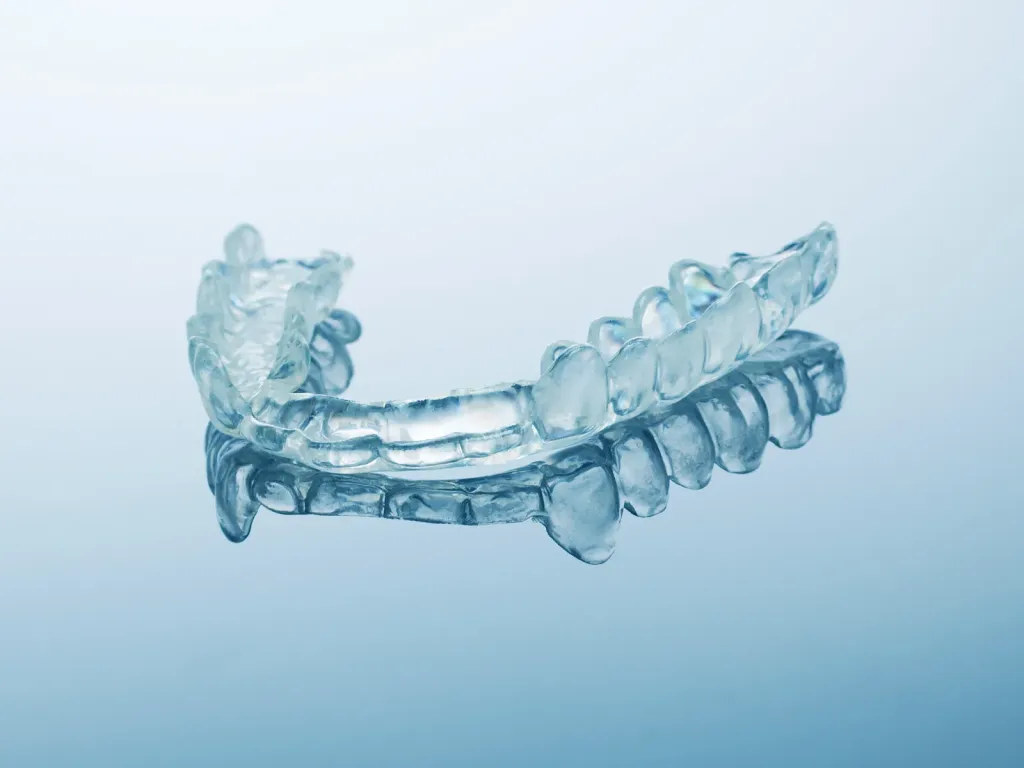
A night guard is a thin, hard, smooth guard that fits over your upper or lower teeth. It doesn't stop the grinding itself, but it takes the hit so your teeth don't. It also cushions your bite, which can help your jaw muscles relax. Because a custom guard is made from a scan of your own teeth, it fits snugly and comfortably, so you'll actually want to wear it.
What to expect
Your visit, step by step.
-
1
Check for signs
During your exam, we look for worn, flattened or chipped teeth and ask about headaches, jaw soreness or clicking.
-
2
Scan your teeth
We take a quick digital scan or impressions of your teeth so your guard is made to fit your bite exactly.
-
3
Fit and adjust
When your guard is ready, we check how it fits and adjust your bite on it so it feels comfortable and even.
-
4
Wear it nightly
Wear it while you sleep and bring it to your checkups, so we can make sure it's still fitting and protecting well.
Why it matters
What a night guard can help with
- Protects teeth from wear, chips and cracks
- Helps protect fillings, crowns and veneers
- Can ease morning jaw soreness and headaches
- Can reduce tooth sensitivity from grinding
- Custom fit that stays in place and feels comfortable
Hard vs. store-bought
Hard guard
Soft store-bought guards can feel like something to chew on, which keeps your jaw working. A hard custom guard is firm and smooth, and we adjust it to your exact bite so your jaw can rest.
Questions
Night guard FAQs
How do I know if I grind my teeth?
Common signs include a sore or tired jaw when you wake up, morning headaches, teeth that look flat, worn or chipped, and new sensitivity. Sometimes a partner hears the grinding first. We also check for signs of grinding at every exam.
Why not just buy a store-bought guard?
Most store-bought guards are made of soft material and are designed to fit everyone, so they're often bulky or loose. A custom hard guard is made from a scan of your teeth, so it's thinner, stays in place and is easier to wear every night.
Will a night guard stop me from grinding?
A night guard doesn't stop grinding, but it protects your teeth from the damage and can help your jaw muscles relax. If stress, sleep problems or your bite seem to be part of the cause, we'll talk with you about those too.
Can a night guard help with jaw pain or TMJ?
For many people, yes. By cushioning the bite and taking pressure off the jaw, a night guard can ease soreness. If you have ongoing jaw pain, clicking or locking, we'll look at the cause and recommend the right next steps.
How do I clean my night guard?
Rinse it after you wear it and brush it gently with a soft toothbrush and cool water. Let it dry and keep it in its case. Avoid hot water, which can change its shape.
Is a night guard covered by insurance?
Some dental plans cover night guards, especially when there are signs of grinding damage. We'll check your benefits and let you know before we begin.
Ready to book your visit?
Schedule a visit that fits your day. We'll answer your questions and help you choose the care that's right for you.