
Fluoride
A quick, painless varnish that strengthens your enamel and helps stop early cavities before they need a filling, for kids and adults alike.
What it is
How fluoride protects your teeth
Every day, your enamel loses and regains minerals. When plaque bacteria feed on sugar, they make acids that pull minerals out of your teeth. Fluoride helps put those minerals back and makes enamel harder for acid to break down. It can even reverse the very earliest stage of a cavity.
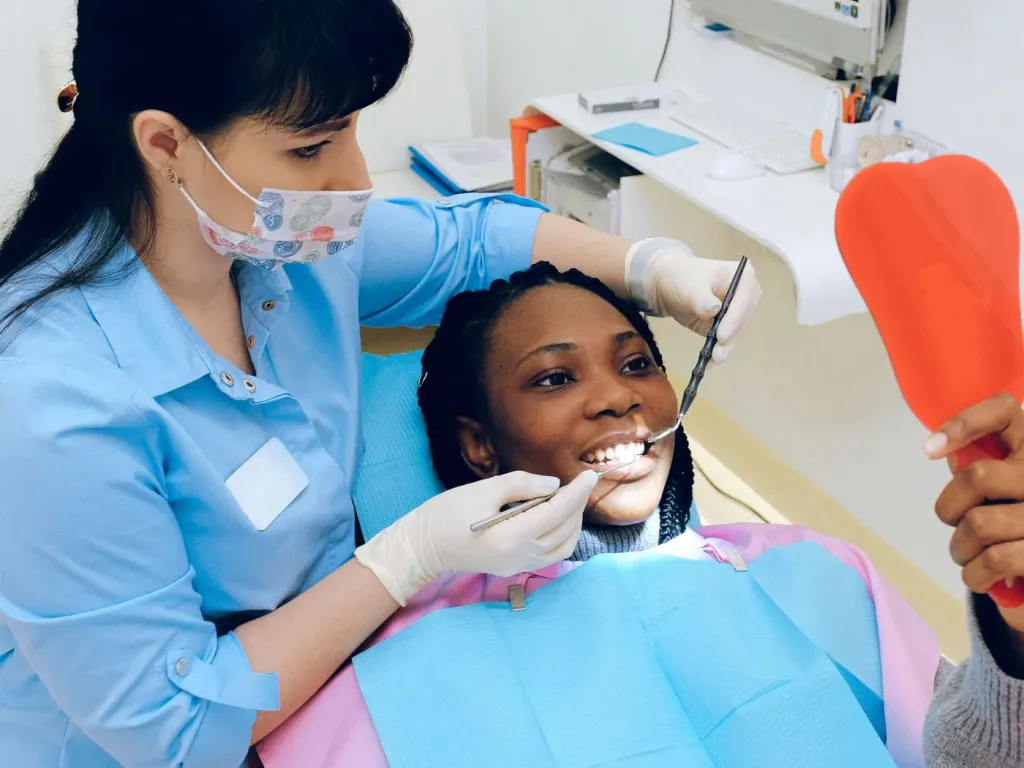
Toothpaste and tap water give you a little fluoride every day. A professional fluoride varnish gives your teeth a much stronger dose. We paint it on in under a minute, it sets on contact, and it keeps working for hours after your visit.
Want to read more? See the American Dental Association's topical fluoride recommendations and its overview of fluoride.
What to expect
Your visit, step by step.
-
1
Clean and dry
Fluoride is usually placed at the end of your cleaning, so your teeth are already polished. We dry them with a little air or gauze.
-
2
Paint it on
We brush a thin layer of varnish onto each tooth. It feels a little sticky and takes less than a minute.
-
3
It sets right away
The varnish hardens when it touches saliva, so there's no tray, no waiting and no unpleasant taste to rinse away.
-
4
Simple aftercare
Stick to soft foods and cool drinks for a few hours, and wait until bedtime or the next morning to brush.
Why it matters
Why fluoride varnish helps
- Strengthens enamel so it better resists acid
- Can reverse the earliest stage of a cavity
- Quick and painless, for kids, teens and adults
- Helps protect around fillings, crowns and braces
- Eases sensitivity from exposed roots
What the ADA recommends
Fluoride
Fluoride is the cavity fighter the ADA recommends. Fluoride-free options like nano-hydroxyapatite look promising, but they don't yet have the same decades of research behind them.
Questions
Fluoride FAQs
Is fluoride safe?
Yes. The American Dental Association considers fluoride safe and effective for preventing tooth decay in children and adults. A varnish uses a small amount, and because it sets on contact, very little is swallowed. For children under 6, the ADA recommends fluoride varnish as the in-office option for exactly that reason.
Do adults need fluoride too?
Many do. Adults with dry mouth, receding gums, sensitive teeth, frequent cavities, braces, or lots of fillings and crowns can all benefit. We'll let you know if a fluoride treatment makes sense for you.
What is nano-hydroxyapatite, and is it better than fluoride?
Nano-hydroxyapatite is a mineral that is very similar to the natural mineral in your enamel, and it's found in some fluoride-free toothpastes. Early research is promising, and some studies show it can help repair enamel. Fluoride has a much longer track record and is what the ADA recommends for preventing cavities. If you'd prefer a fluoride-free option, just ask. We're happy to talk through the choices for your teeth and your cavity risk.
Can I eat and drink after a fluoride treatment?
Yes. You can eat and drink right away, but soft foods and cool or room-temperature drinks are best for the next few hours. Skip anything very hot, sticky or crunchy, and wait to brush until that evening or the next morning.
Should my child use fluoride toothpaste?
Yes. Once the first tooth comes in, the ADA recommends brushing twice a day with fluoride toothpaste. Use a smear about the size of a grain of rice for children under 3, and a pea-sized amount for ages 3 to 6. Help your child brush, and teach them to spit the toothpaste out rather than swallow it.
Is fluoride covered by insurance?
Many dental plans cover fluoride for children, and some cover it for adults too. We'll check your benefits and let you know before we begin.
Ready to book your visit?
Schedule a visit that fits your day. We'll answer your questions and help you choose the care that's right for you.