
Anterior Bonding
A quick, conservative way to repair chips, close small gaps and smooth uneven edges on your front teeth, usually in a single visit.
What it is
What is cosmetic bonding?
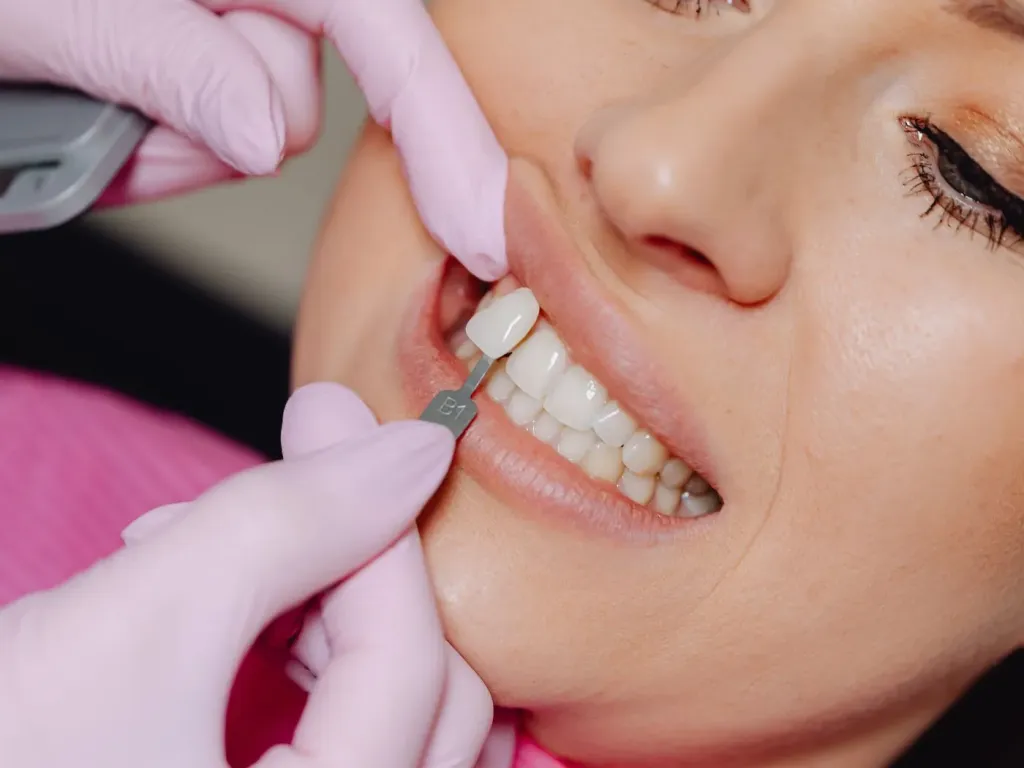
Bonding uses a tooth-colored material that we shade to match your natural teeth, then sculpt directly onto the tooth by hand. Once it's shaped, we harden it with a light and polish it to a natural shine.
Because little or no tooth structure needs to be removed, bonding is one of the most conservative cosmetic treatments. It's a great fit for small chips and cracks, short or uneven teeth, small gaps between front teeth, and spots of discoloration that whitening can't lift.
What to expect
Your visit, step by step.
-
1
Choose your shade
We match the bonding material to the natural color of your teeth so the repair blends right in.
-
2
Prepare the tooth
We gently roughen the surface so the bonding grips well. Numbing usually isn't needed.
-
3
Sculpt and set
We shape the material by hand to the look you want, then harden each layer with a small blue light.
-
4
Shape and polish
We refine the shape, check your bite and polish the tooth so it shines like the teeth around it.
Why it matters
What bonding can fix
- Chipped or cracked front teeth
- Small gaps between teeth
- Short, worn or uneven edges
- Spots of discoloration
- Little or no change to your natural tooth
Usually done in
1 visit
Most bonding is finished in a single appointment, often without any numbing, and you can smile, eat and talk normally as soon as you leave.
Questions
Dental bonding FAQs
Does bonding hurt?
Most people feel little to nothing. Because we usually don't need to remove much of the tooth, numbing often isn't needed. If we're repairing a deeper chip, we'll make sure you're comfortable first.
How long does bonding last?
With good care, bonding can last for years, but not every tooth or area is a good fit for a long-lasting result. Teeth that take heavy biting forces, or larger repairs, can wear or chip sooner, so we evaluate each spot first and recommend bonding only where it will hold up well. When it is a good fit and it wears, chips or picks up stains over time, we can touch it up or redo it in a single visit.
Will bonding stain?
Bonding can pick up stains from coffee, tea, red wine and tobacco over time, a little more than natural enamel. Rinsing after dark drinks and keeping up with cleanings help it stay bright.
Should I whiten my teeth before bonding?
If you're thinking about whitening, do it first. Bonding doesn't change color with whitening, so we match it to your brighter shade once whitening is done.
What's the difference between bonding and veneers?
Bonding is sculpted directly onto your tooth in one visit and is great for smaller fixes. Veneers are thin, custom-made shells that cover the whole front of a tooth and resist stains better. We'll help you decide which suits your goals.
Is bonding covered by insurance?
When bonding repairs a chipped or broken tooth, insurance may cover part of it. Purely cosmetic bonding usually isn't covered. We'll check your benefits and go over your cost before we begin.
Ready to book your visit?
Schedule a visit that fits your day. We'll answer your questions and help you choose the care that's right for you.